The Coldletter blog
Category: Blog
Articles about transactional and marketing emails.
-
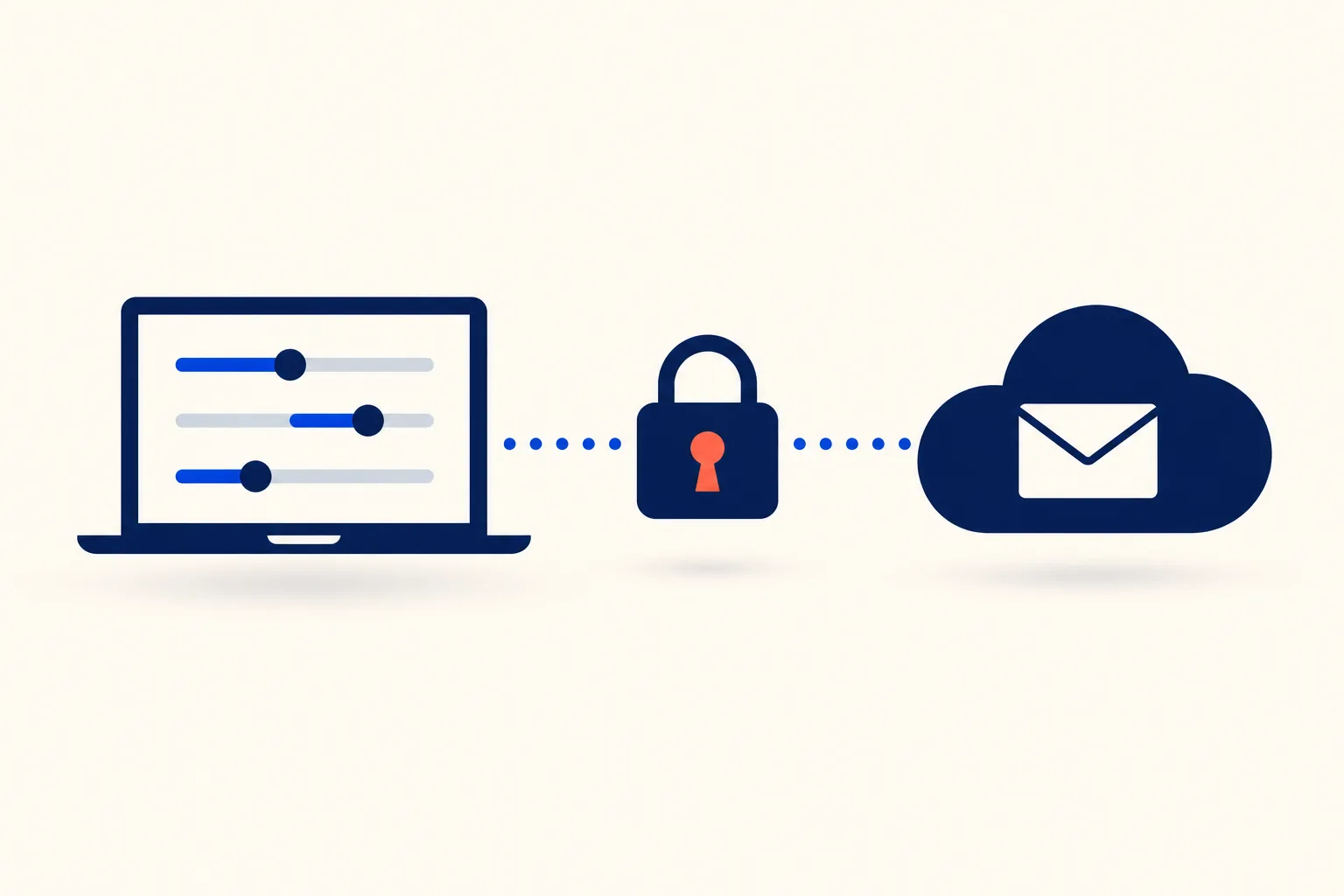
Office 365 SMTP Settings: smtp.office365.com, Ports, and Authentication
The exact Office 365 SMTP settings for Microsoft 365 and Outlook.com accounts, how to pick between SMTP AUTH, relay and Direct Send, and what to do about the basic auth retirement.
-
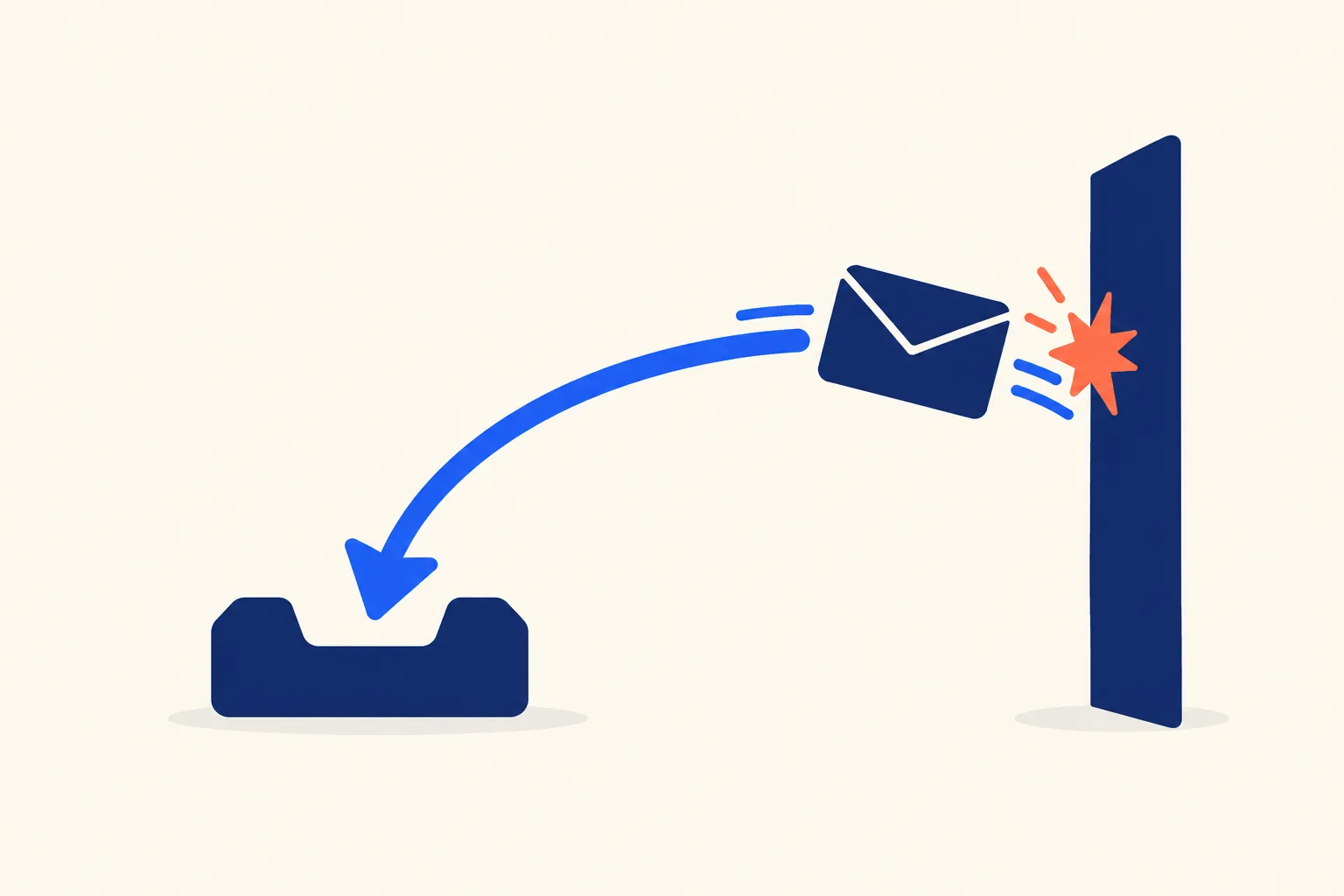
Bounce Back Emails: What the Message Means and How to Fix It
How to read a bounce-back email: the status code, the diagnostic text, and the fix for each common cause.
-
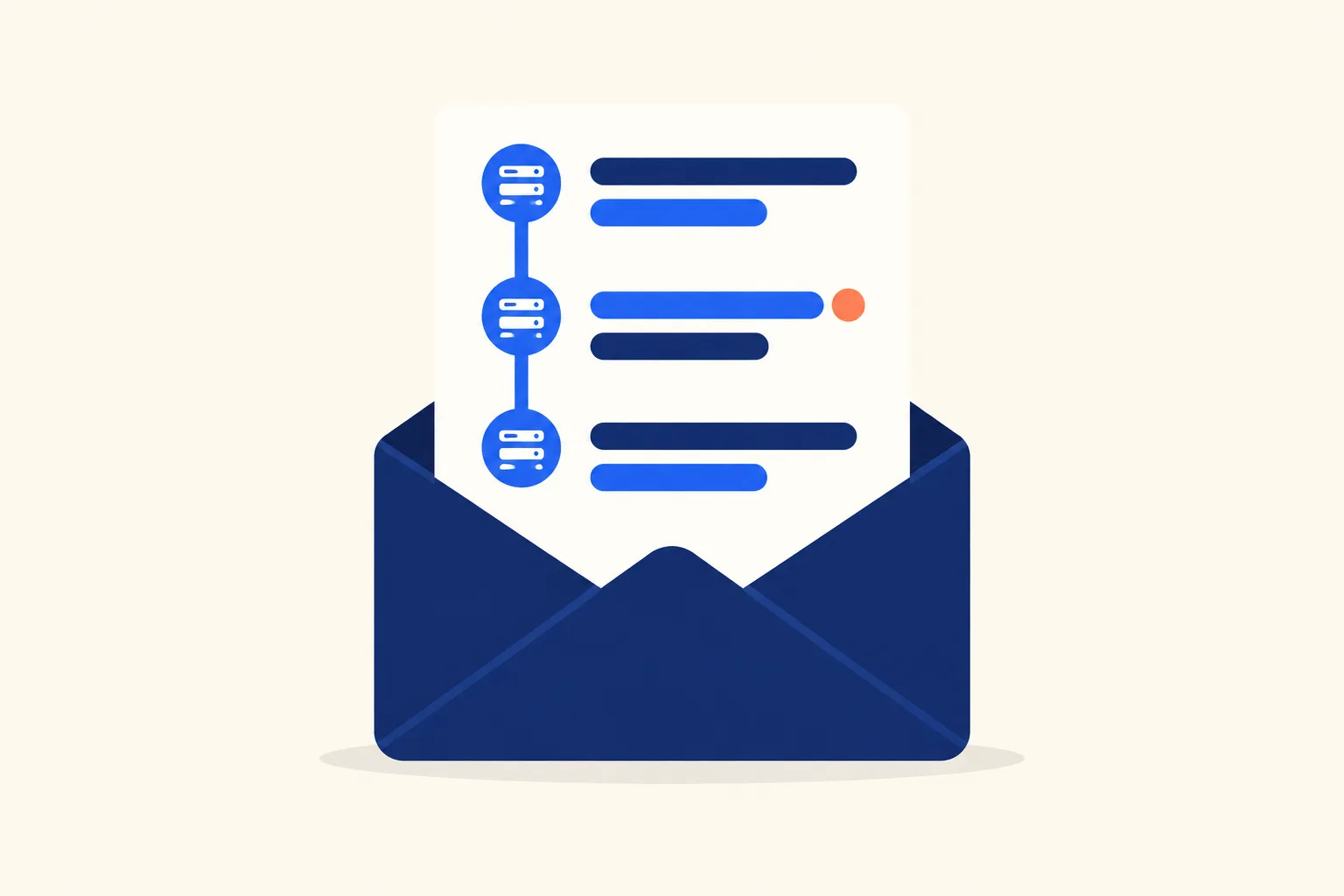
How to Read Email Headers (and What Each Field Tells You)
Learn how to read email headers: open the full header, follow Received lines bottom up, and check SPF, DKIM and DMARC results in Authentication-Results.
-
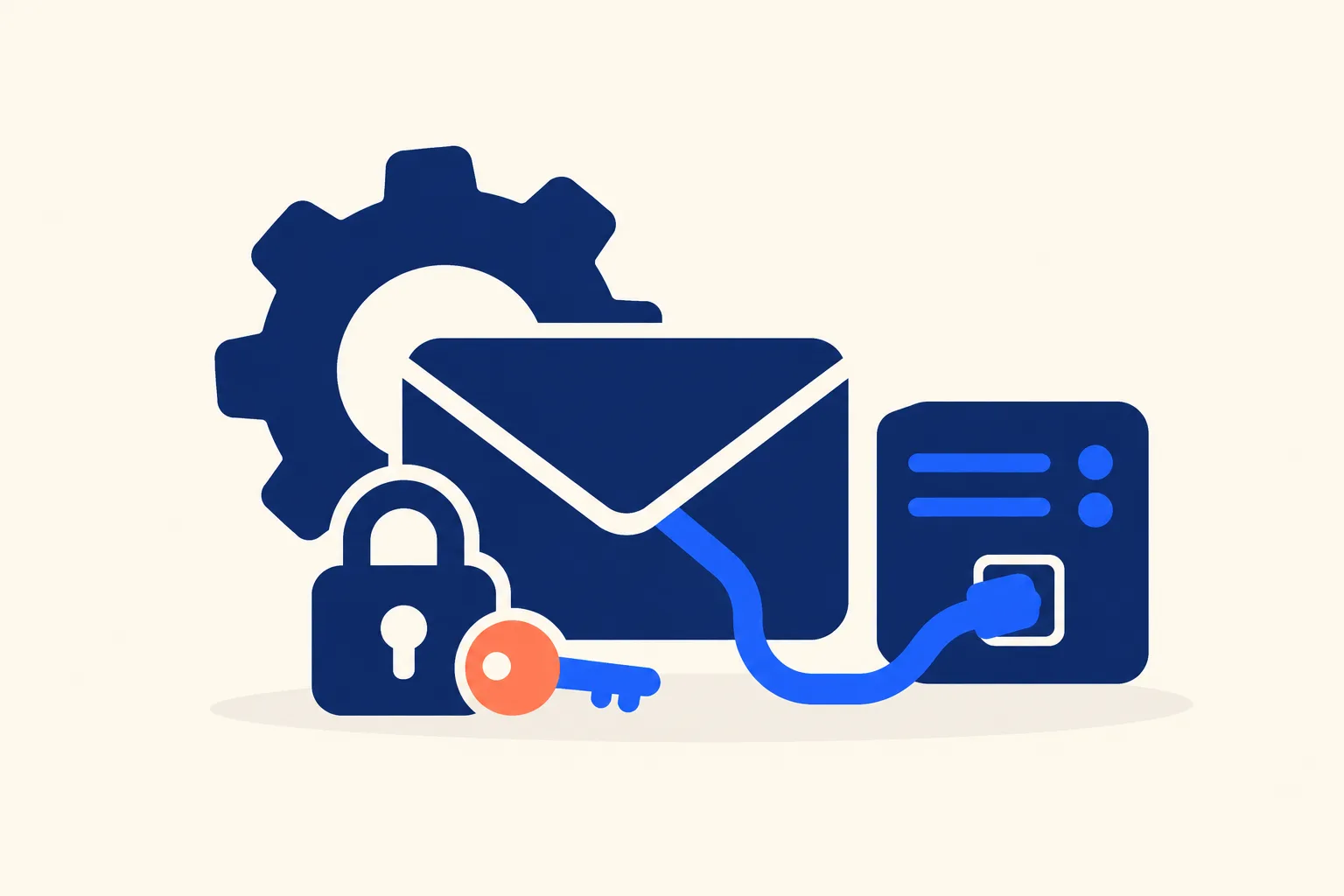
Gmail SMTP Settings: Server, Ports, and App Passwords (2026)
Gmail SMTP settings: smtp.gmail.com, port 587 or 465, app password or OAuth, Workspace relay options, sending limits, and fixes for common SMTP errors.
-
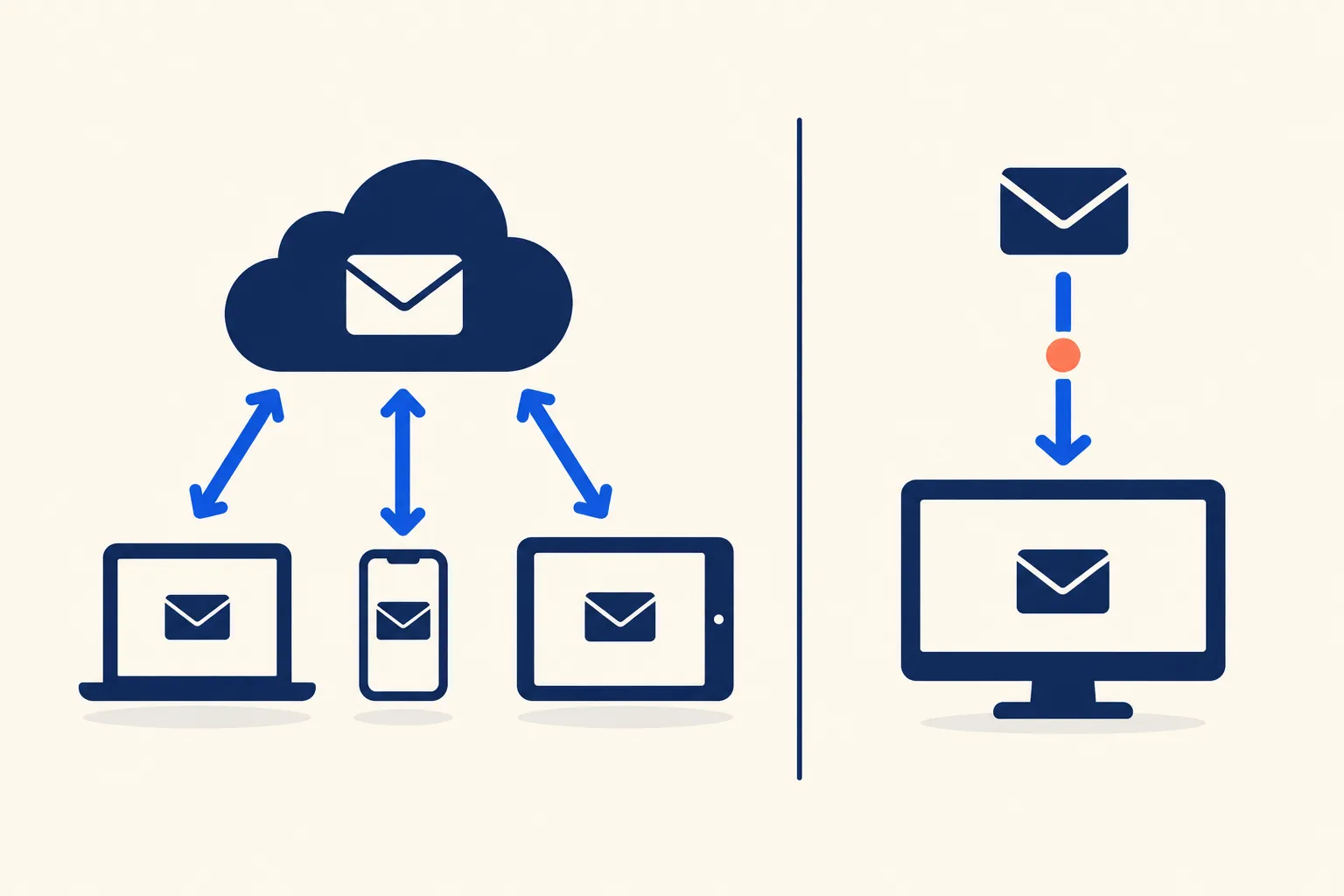
IMAP vs POP3 (and Where SMTP Fits): Which Protocol to Use
IMAP keeps mail on the server and syncs every device, while POP3 downloads it to one client. Here is how they differ, where SMTP fits, and which to use.
-
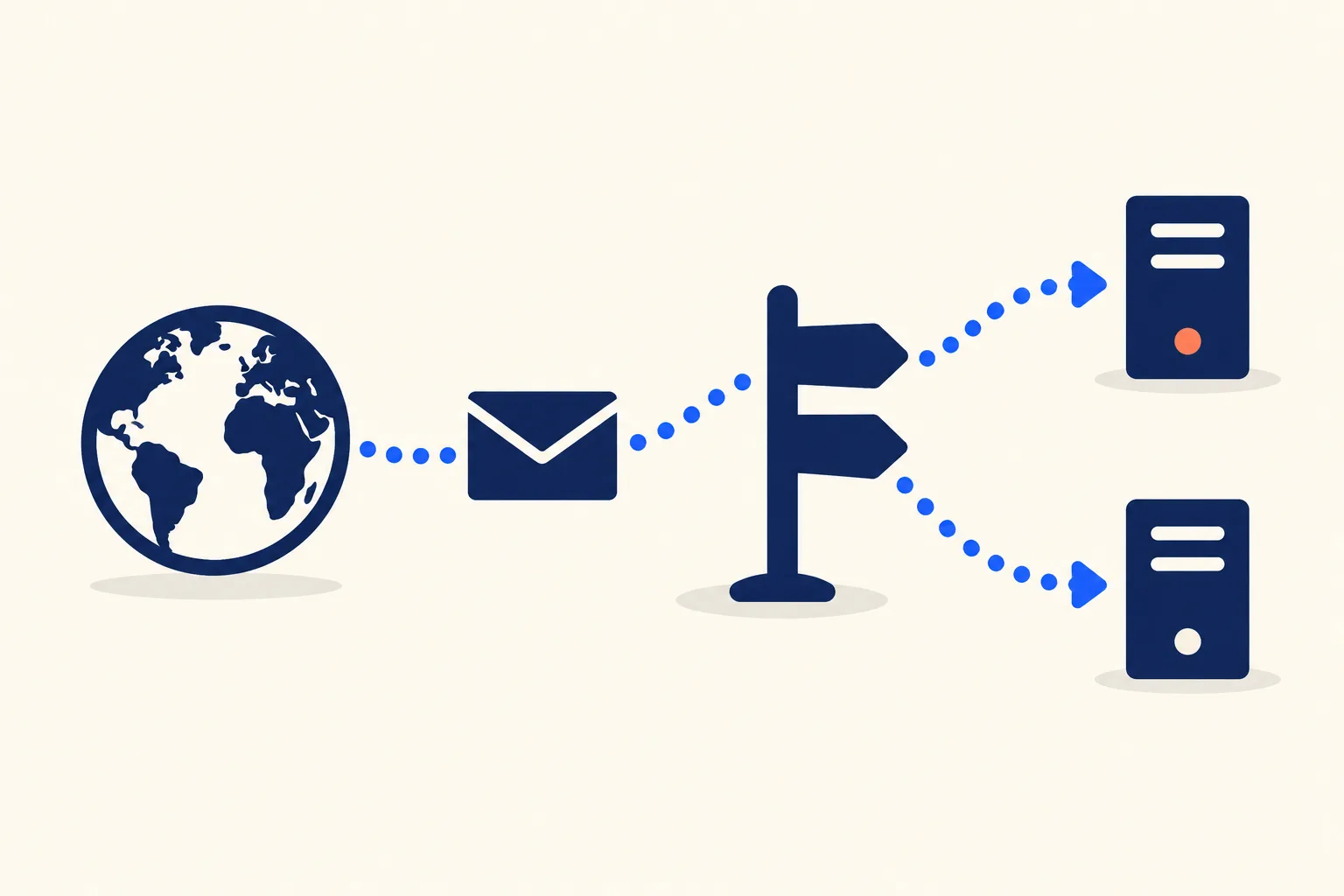
MX Record: What It Is, How to Check It, and How to Set It Up
What an MX record is, how the RFC 5321 lookup uses it, how to check it with dig, nslookup, and PowerShell, and how to change it without losing mail.
-

Why Gmail Isn’t Showing the Unsubscribe Button (and How to Fix It)
Gmail shows its native unsubscribe button only when a message passes Google’s automated eligibility checks, and a List-Unsubscribe header is just one of those checks, not a guarantee. Per Google’s own sender guidelines FAQ, “unsubscribe buttons or links are displayed at the top of messages (next to the sender name) only for messages that pass…
-
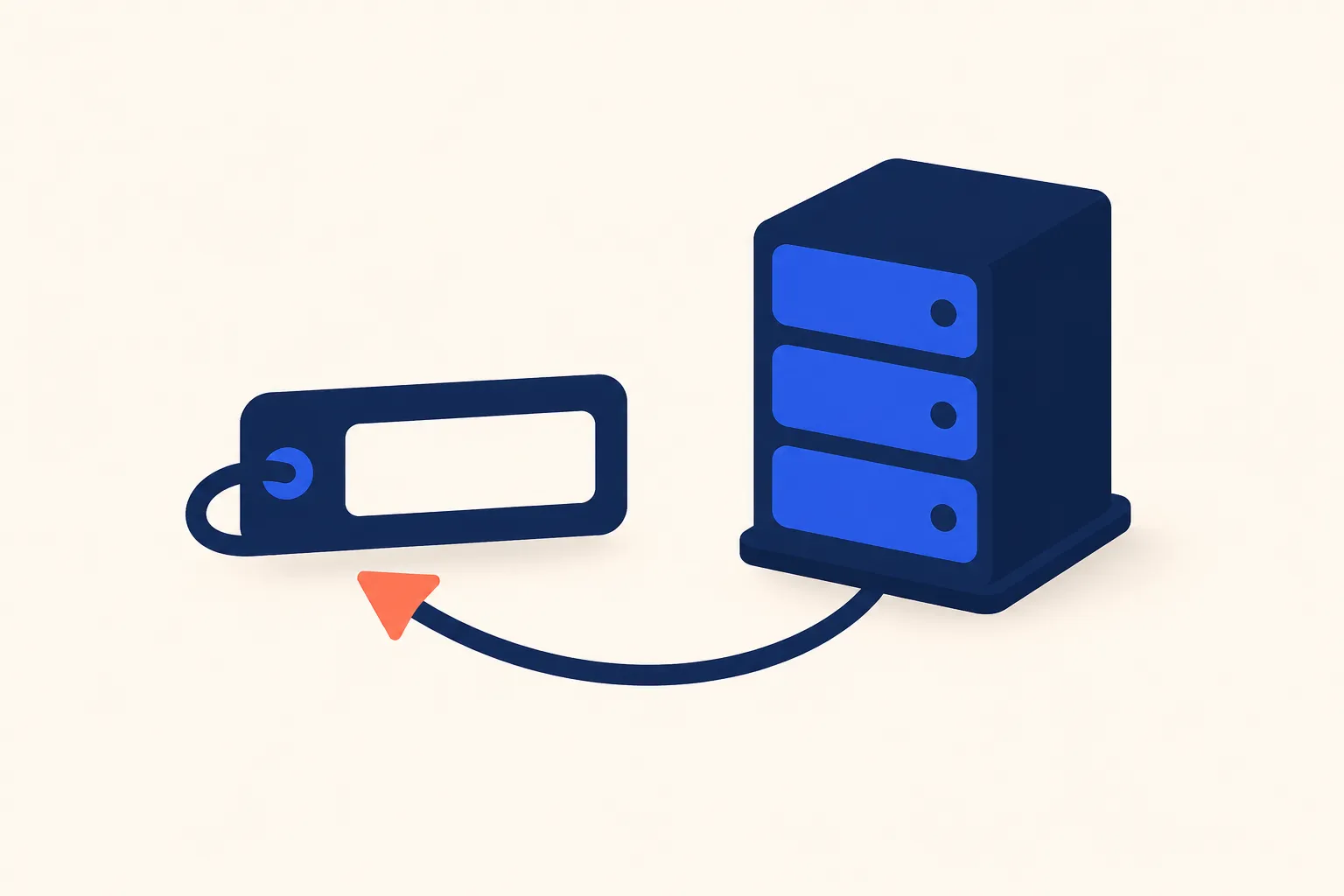
PTR Records for Email: What They Are and Why They Matter (2026)
A PTR record maps a sending IP address back to a hostname, the reverse of what an A record does. Here is how reverse DNS and the FCrDNS check work, why Gmail and other mailbox providers require a valid one, who actually controls it, and how to set and verify yours.
-
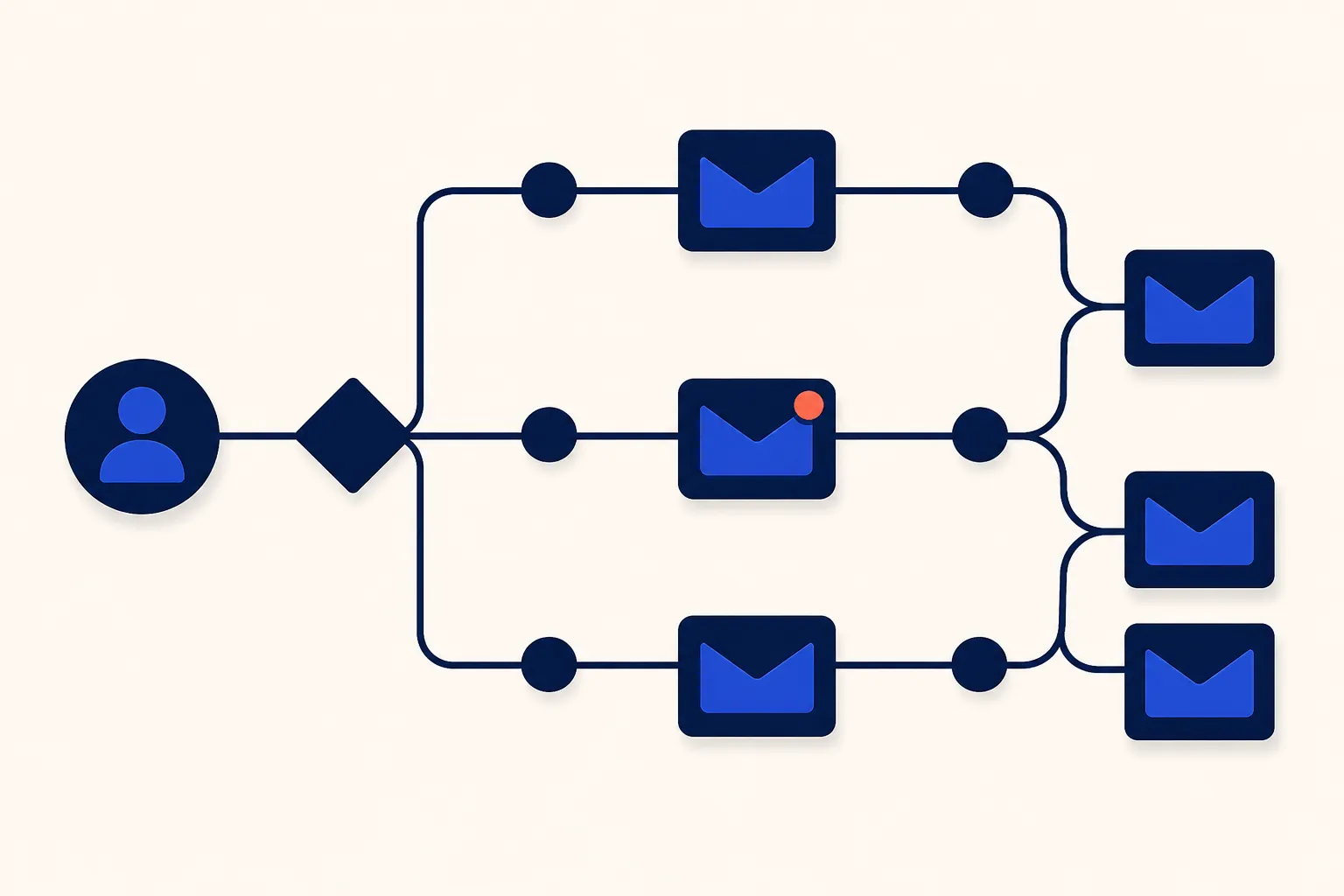
Best Customer.io Alternatives (2026)
Customer.io alternatives compared: Braze, Iterable, Encharge, Loops, Brevo, and MailerLite, with verified pricing, fit, and where each falls short.
-

Best Litmus Alternatives for Email Testing (2026)
Litmus quietly moved its Plus plan to a $500/month Core tier in August 2025, a roughly 151% increase, and stopped publishing self-serve pricing beyond it. Here are seven alternatives for teams re-evaluating their email QA stack, from like-for-like preview suites to developer-first testing tools.
-

Amazon SES vs SendGrid: Cost, Deliverability, and Setup (2026)
At 100,000 emails/month, SES costs ~$10 and SendGrid costs $34.95-$89.95. See the full pricing, deliverability, and setup comparison.
-
SendGrid vs Mailchimp: Transactional vs Marketing Email (2026)
SendGrid vs Mailchimp compared for 2026: pricing, deliverability, API depth, and marketing automation, with a clear verdict by use case.