The Coldletter blog
Category: Blog
Articles about transactional and marketing emails.
-

Email Warmup on Reddit: What Actually Works According to Users
Reddit’s take on email warmup is more balanced than the tool vendors suggest: it helps a new domain, but it will not save bad copy, weak targeting, or a reputation that is already damaged.
-

Email Click-Through Rate: Benchmarks and How to Improve It
Email click-through rate benchmarks from Mailchimp, Campaign Monitor, and HubSpot, the CTR vs CTOR difference explained, and the tactics that improve it.
-

GDPR and Email Marketing: Consent, Compliance, and What You Must Do (2026)
How GDPR applies to email marketing: lawful basis, valid consent, the soft opt-in exception, and how transactional email differs, plus a compliance checklist.
-
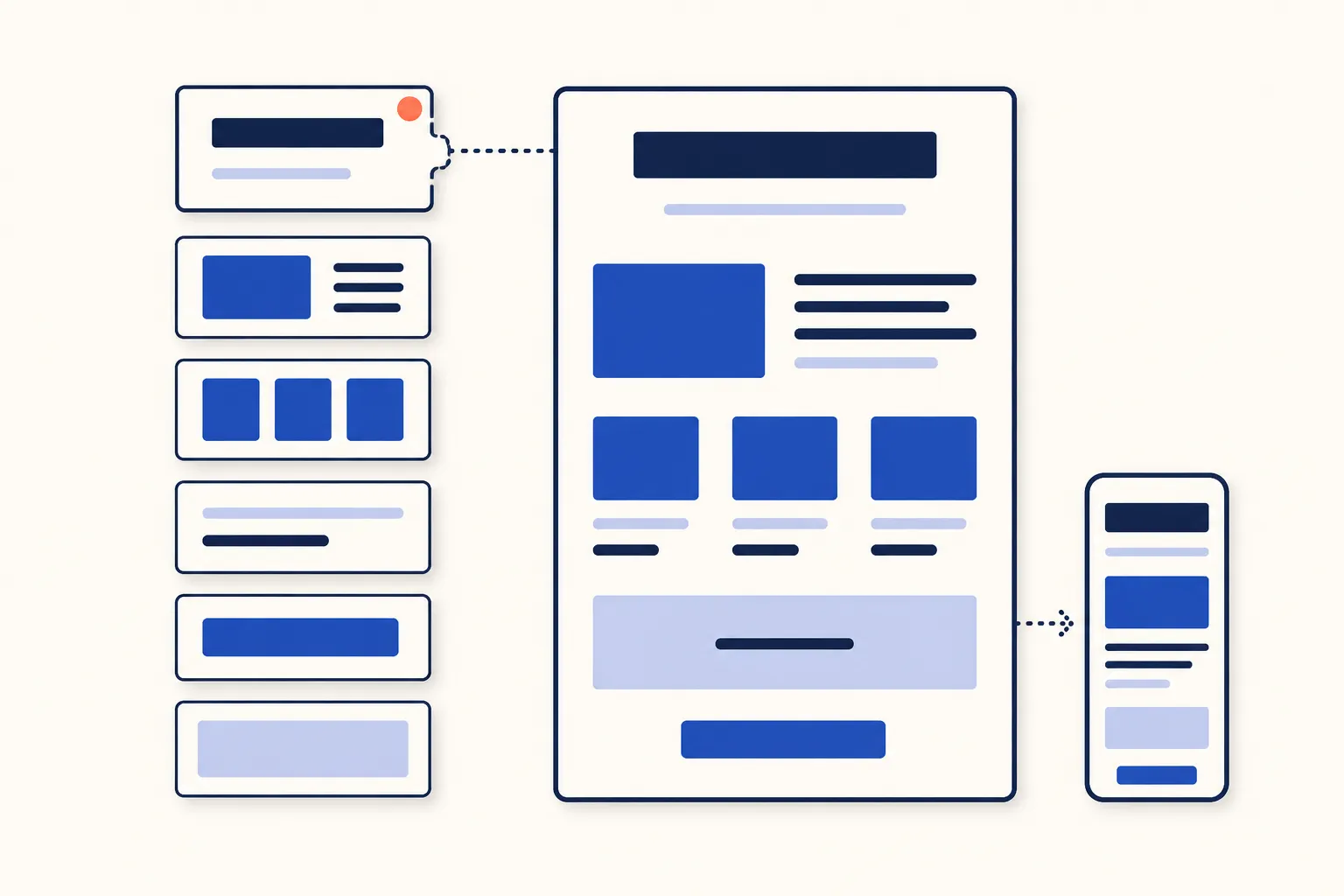
MJML: The Responsive Email Framework, Explained
MJML compiles semantic /-style tags into the nested tables, inline styles, and Outlook conditional comments that responsive HTML email actually needs. Here’s how the component model, CLI, and framework integrations work, and where MJML sits next to React Email and raw HTML.
-

Mailgun vs SendGrid: What Reddit Users Actually Say
Looking for a Mailgun vs SendGrid verdict on Reddit? The honest answer is that most experienced users have moved on from both, toward SES, Resend, and Postmark.
-

Best Transactional Email APIs for Developers (2026)
A developer-first look at transactional email APIs: authentication patterns, webhook signing, batch limits, and templating models for Postmark, SendGrid, Resend, Mailgun, Amazon SES, and Brevo, as of July 2026.
-
Best ActiveCampaign Alternatives for SaaS Teams (2026)
ActiveCampaign’s automation caps and CRM pricing push many SaaS teams to look elsewhere. Compare 8 alternatives with July 2026 pricing and how to pick one.
-

Best SMTP Provider According to Reddit (2026)
Reddit does not crown one best SMTP provider, but a few names dominate the threads: Amazon SES for a cheap reliable endpoint, Postmark for deliverability, and self-hosted Postal for the hands-on crowd.
-

MailerLite Pricing Explained: Plans, Limits, and Costs (2026)
MailerLite’s Free, Comfort, Power, and Enterprise plans compared: 2026 starting prices, subscriber-based billing, send limits, and the June price hike.
-

AMP for Email: What It Is, How It Works, and Should You Use It
AMP for email adds interactive components, forms, carousels, live pricing, to messages in Gmail, Yahoo Mail, and Mail.ru. Here is the MIME structure, the sender registration requirement, the real use cases, and the trade-offs that determine whether it is worth building in 2026.
-

Email Regex: How to Validate Email Addresses (and Why Regex Isn’t Enough)
The safest email regex for most applications is the one browsers already run against fields, straight from the WHATWG HTML Living Standard. It catches malformed input, but it cannot confirm the mailbox on the other end exists, that takes a DNS lookup and an SMTP conversation.
-

Plain Text vs HTML Email: Which to Use and When
Plain text and HTML are two different message formats, not two different reputations with mailbox providers. This guide covers when each wins, why deliverability depends on authentication and engagement rather than format, and how multipart/alternative sends both at once.