The Coldletter blog
Author: Saul
-

Email Signatures in Dark Mode: How to Keep Logos Visible
A dark logo on a transparent background vanishes when a client turns the page dark. Here is what Outlook, Gmail and Apple Mail do to a signature, and the logo fixes that hold up in all of them.
-
Best GetResponse Alternatives (2026)
GetResponse bills by list size and gates automation, funnels and webinars behind higher plans. Six alternatives compared by billing unit and price, checked October 2026.
-
Mailjet Pricing Explained: Plans, Limits, and Costs (2026)
What Mailjet charges in October 2026: the free plan’s real limits, the four self-service plans, overage rates per 1,000 emails, and a worked cost example from 20,000 to 100,000 emails a month.
-
Inbox Placement Testing: How to Run a Seed Test and Read the Results
An inbox placement test sends a real message to seed mailboxes at several providers and shows whether each copy hit the inbox, a tab, spam, or nowhere. Here is how to run one and what the results can and cannot tell you.
-
How to Add DKIM, SPF, and DMARC Records in Cloudflare
Where to add a DKIM record in the Cloudflare dashboard, which record type your provider needs, and the proxy and hostname mistakes that make verification fail. SPF and DMARC included.
-
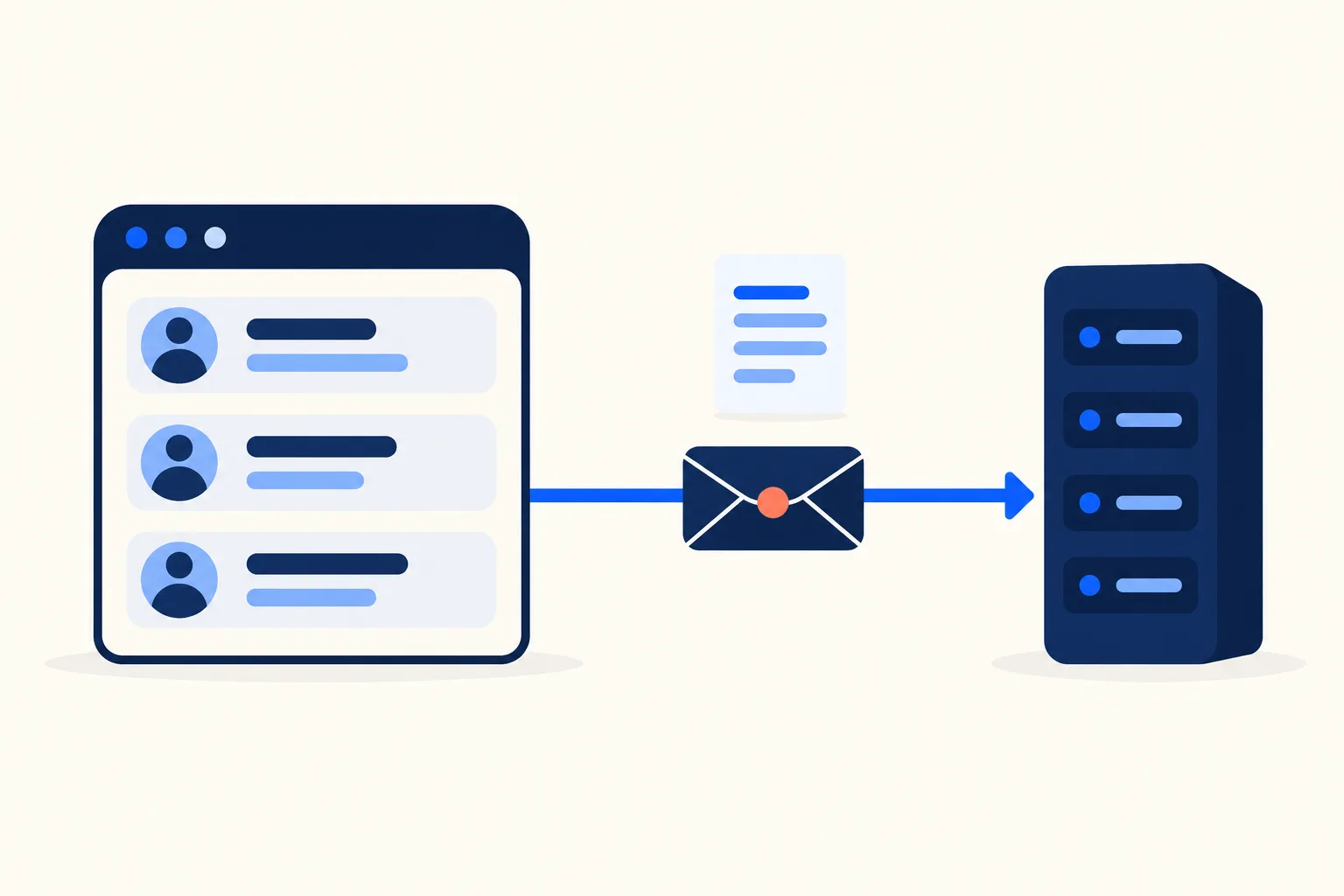
HubSpot Transactional Email Add-on: Pricing, Limits, and Alternatives
The HubSpot transactional email add-on costs $600 per month and requires Marketing Hub Professional or Enterprise. Here is what it includes, how its two APIs work, and when a dedicated provider is the better call.
-

Customer.io Pricing Explained: Plans, Profiles, and Costs (2026)
Customer.io bills on profiles, not emails. Here are its Essentials, Premium and Enterprise plans, how a profile is counted, where the bill jumps, and a worked cost example, checked on October 8, 2026.
-
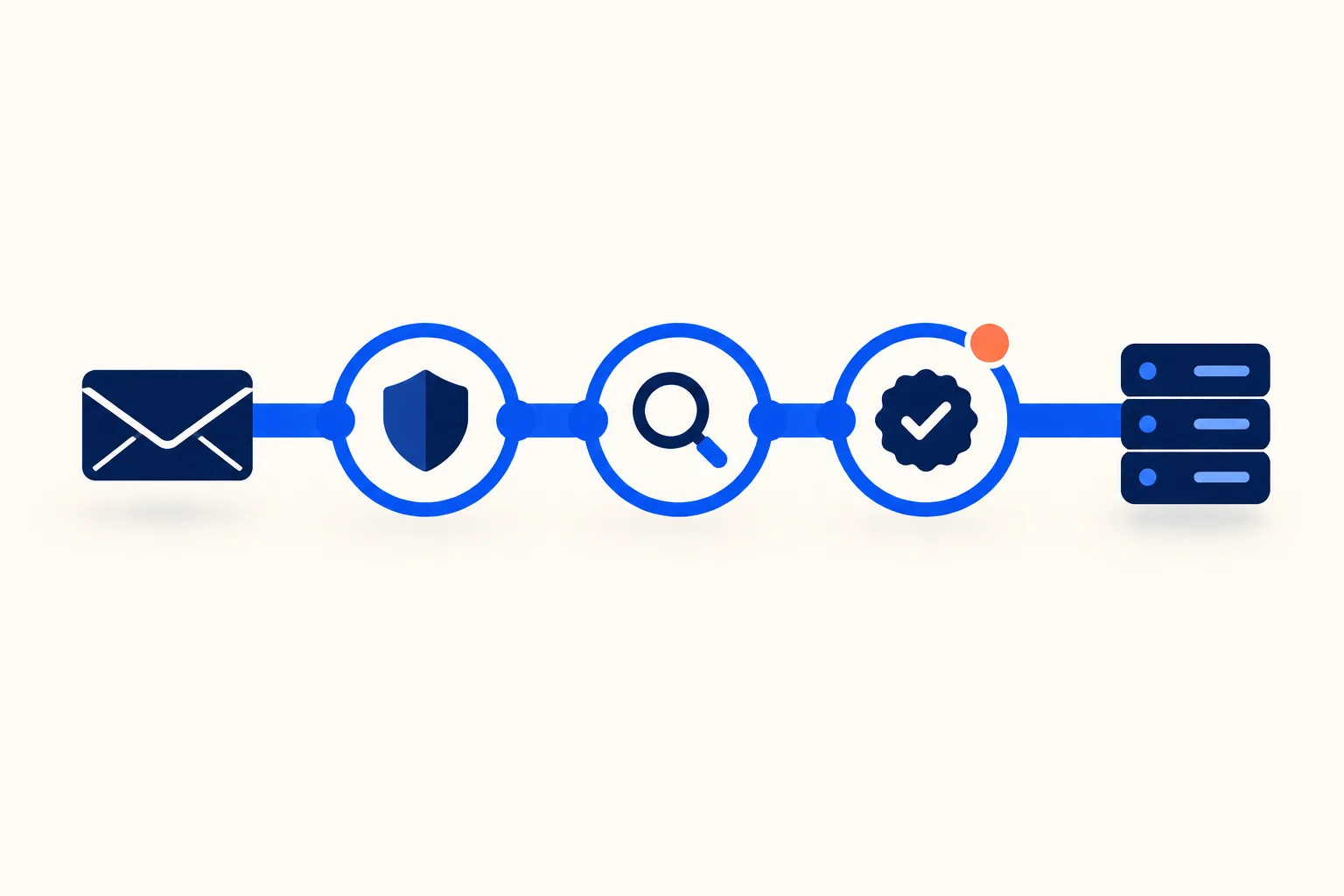
Email Verification APIs: How They Work and When to Use One
An email verification API checks syntax, domain, and mailbox status, then flags risky addresses. Here is what each check does, where it fails, and how to call one at signup without blocking real users.
-

Email Segmentation for SaaS: 10 Segments Worth Building
Email segmentation for SaaS runs on lifecycle stage, product usage and billing state. Ten segments with their rules, emails and exit conditions, plus how to handle overlaps.
-
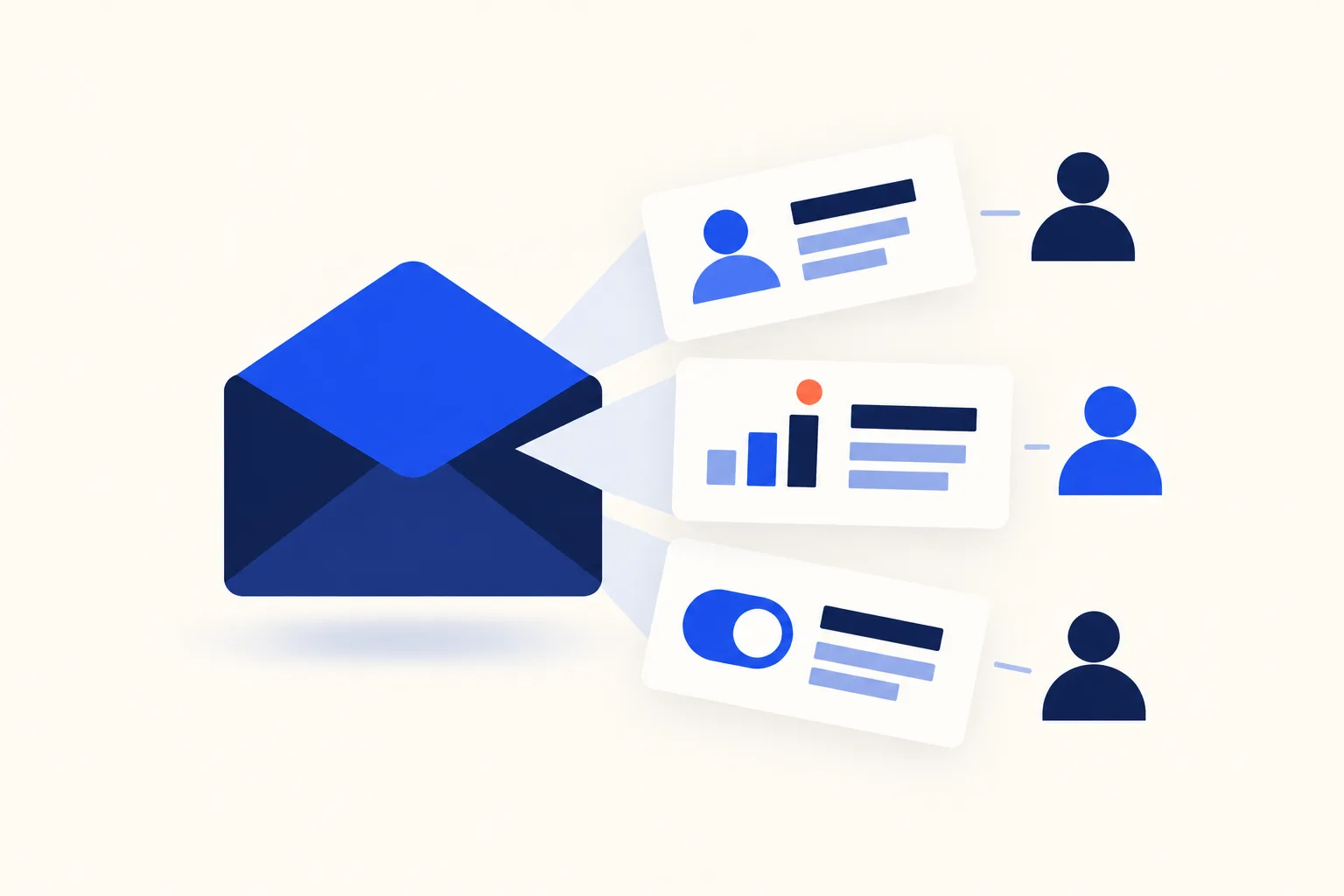
Email Personalization Beyond First Names: What to Personalize and How
For SaaS teams, the data worth personalizing on is product behavior, not names. Here is what to personalize, how to render it safely, and how to measure it.
-
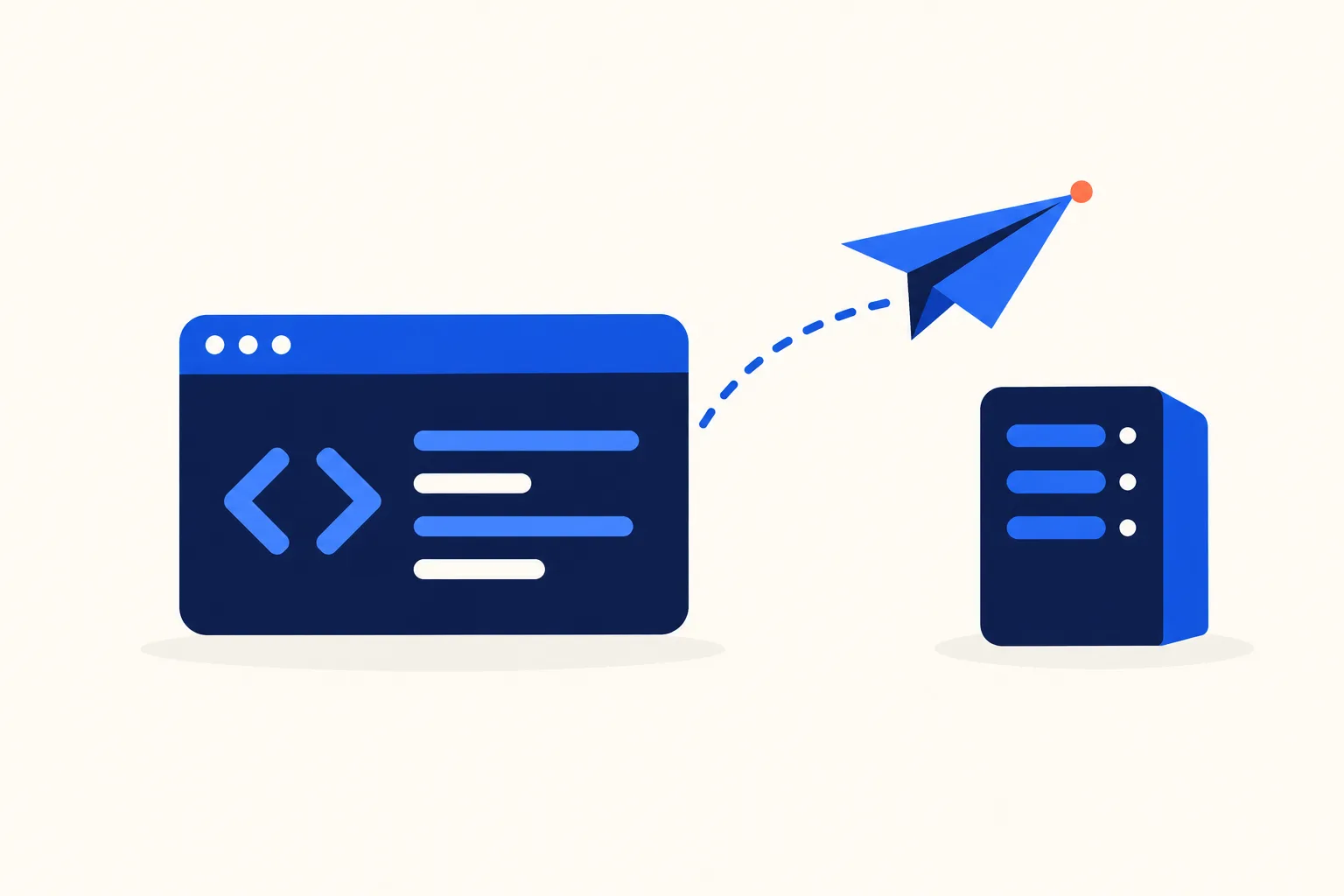
How to Send Email in PHP: mail(), PHPMailer, and an API
Three ways to send email in PHP: PHPMailer over authenticated SMTP, a transactional email API, and the built-in mail() function. Tested code, error fixes, and inbox tips.
-
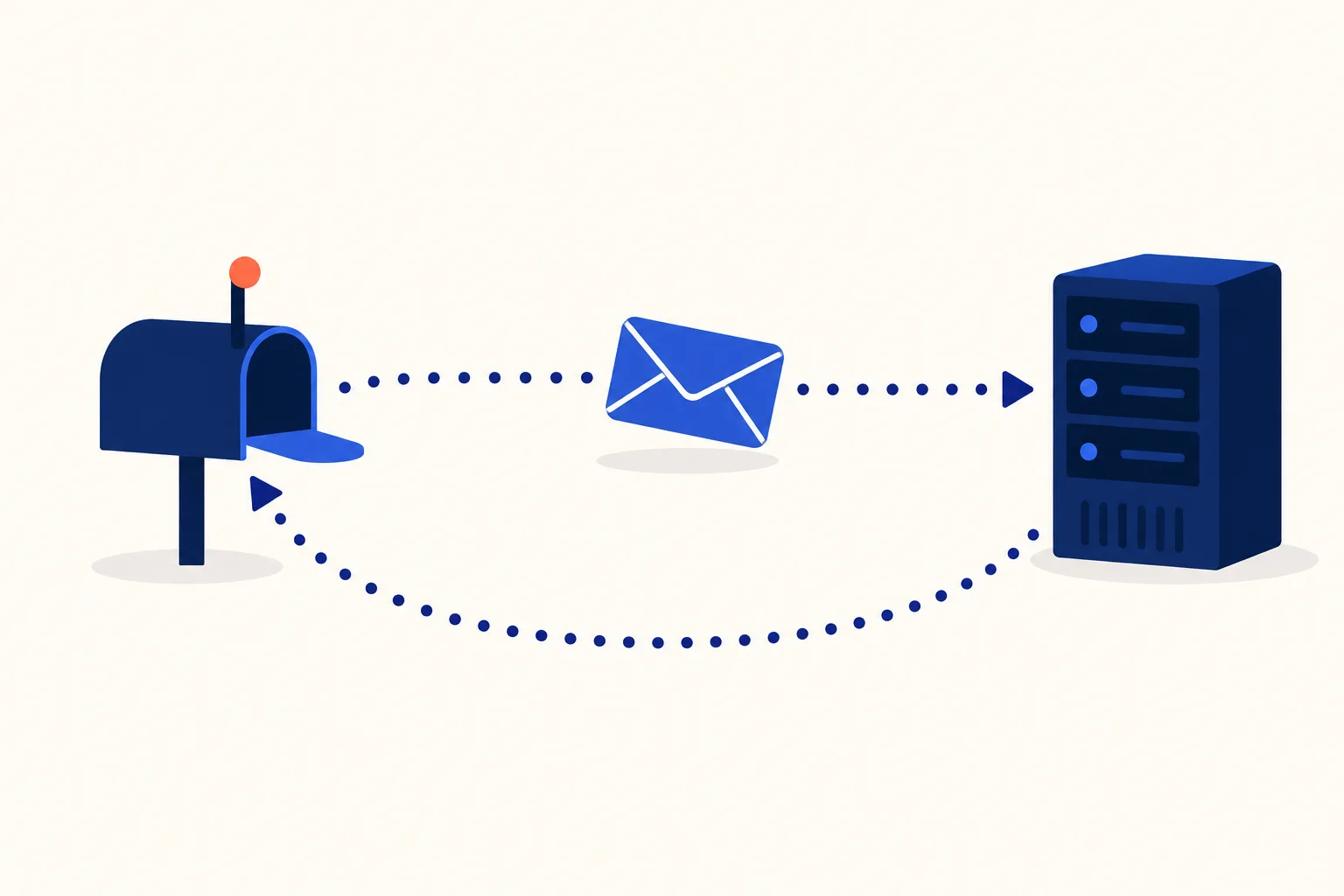
Return-Path Header: What It Is and Why It Matters for SPF and DMARC
The Return-Path header records the envelope sender of an email and decides where bounces go. Learn how it ties into SPF and DMARC alignment, and how to set a custom one.